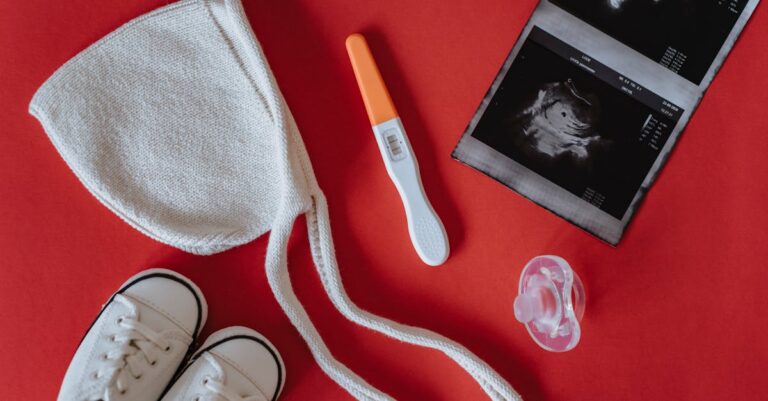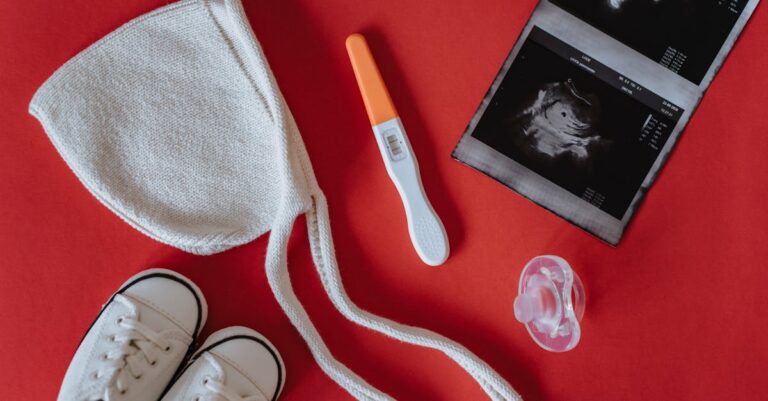
Pregnancy is a rollercoaster of emotions, cravings, and the occasional awkward moment when you realize your favorite shirt is now just a little too snug. But when you throw strep throat into the mix, things can get complicated. Strep throat isn’t just annoying: it can have implications that can sound like a horror film plot for expectant mothers. Buckle up, because we’re diving into what strep throat means during pregnancy, its risks, how to diagnose it, and some handy preventive measures. Spoiler alert: you might want to keep some throat lozenges on hand.
Understanding Strep Throat

Symptoms of Strep Throat
When someone has strep throat, it usually begins with a sore throat that feels like swallowing razor blades. Other common symptoms include fever, swollen lymph nodes, and even headache or stomach pain, particularly in children. One telltale sign is the presence of red and white patches on the tonsils. If you think you’re experiencing these symptoms while pregnant, it’s crucial to pay attention.
Causes and Transmission
Strep throat is caused by the bacterium Streptococcus pyogenes. It’s highly contagious, spreading through respiratory droplets. This means if someone coughs or sneezes near an expectant mother, she could easily catch it. Contaminated surfaces can also play a role, as the bacteria can linger until someone else gives them a warm, welcoming home, like a throat. A good rule of thumb? If you suspect exposure, keep your distance and stay healthy.
Risks of Strep Throat During Pregnancy
Effects on Maternal Health
For the mother, strep throat can mean significant discomfort. Pregnant women often experience an increased risk of complications such as dehydration from inability to eat or drink. Elevated stress levels could also lead to higher chances of preterm labor, which is a concern. Hence, recognizing and addressing strep throat promptly can be pivotal to maintaining maternal health.
Potential Impact on Fetal Development
Strep throat itself won’t directly harm the fetus. But, complications from untreated strep could potentially lead to issues like premature birth. It’s vital to get treated appropriately to avoid any secondary infections that might pose a risk to both mother and baby.
Diagnosis and Treatment Options
Diagnostic Methods
A healthcare provider can diagnose strep throat through a rapid strep test or throat culture. The latter involves swabbing the back of the throat and sending it to a lab. These methods help reduce guessing and ensure that if strep is present, it gets the attention it demands. Fast diagnosis means better outcomes.
Safe Treatment Alternatives
For treatment, antibiotics like penicillin or amoxicillin are typically the go-to options. Thankfully, they are generally safe for pregnant women. Sometimes, symptom relief can also come from over-the-counter pain relievers, warm salt water gargles, or lozenges, helping soothe that irritated throat. It’s always best to consult a healthcare professional before starting any treatment.
Preventive Measures
Maintaining Good Hygiene
Good hygiene habits are your best friends. Washing hands frequently and avoiding close contact with anyone displaying symptoms can drastically reduce the risk of catching strep throat. Also, avoiding sharing utensils, cups, or anything that might carry the bacteria is crucial. Think of it as the time to channel your inner germaphobe.
When to Seek Medical Attention
Pregnant women should seek medical attention if they develop symptoms of strep throat, especially if experiencing a high fever or severe throat pain. It’s better to err on the side of caution. Early intervention ensures the best outcomes for both mother and baby.