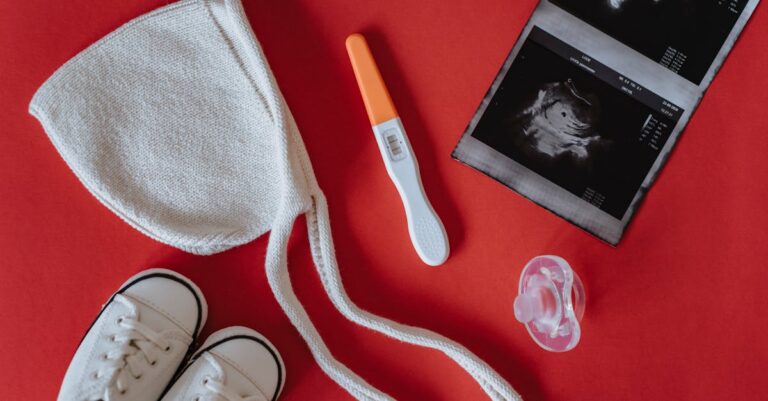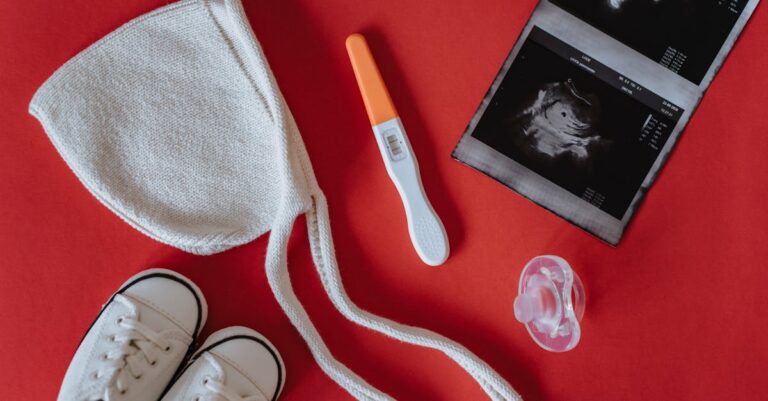
Picture this: a glowing mama-to-be craving her afternoon energy boost, eyeing a matcha latte with a mix of hope and fear. Is matcha safe for pregnancy? Well, grab a comfy seat and a warm beverage because we’re diving deep into this vibrant green elixir. While matcha is often celebrated for its nutritional perks, many expectant moms find themselves asking whether it belongs in their pregnancy diet. Let’s sift through the science and the myths, serving up all the facts you need to make a smart choice.
Understanding Matcha and Its Benefits
Nutritional Profile of Matcha
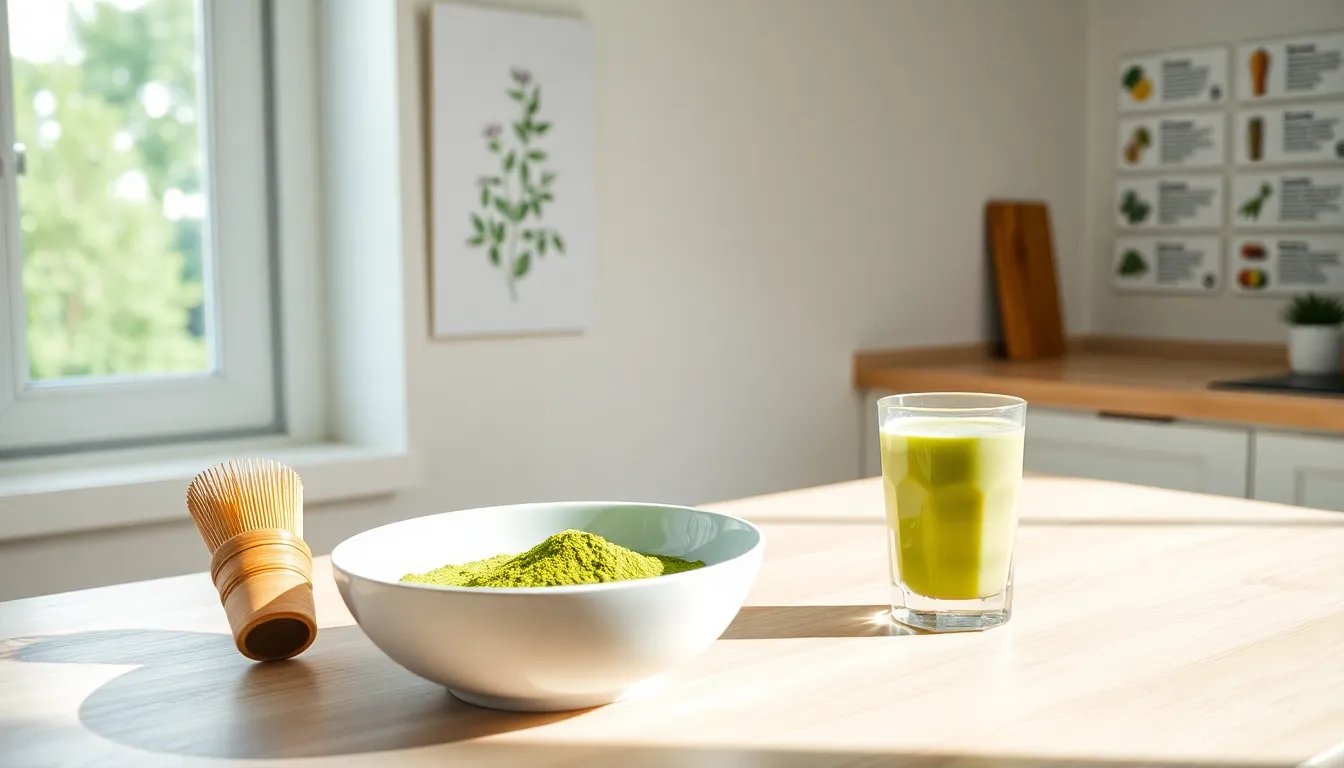
Matcha is a finely ground powder made from specially grown green tea leaves. It boasts a rich profile of nutrients that can be beneficial during pregnancy. Just one teaspoon of matcha contains 70 mg of caffeine, along with antioxidants, vitamins, and minerals. It’s packed with L-theanine, an amino acid that can help promote relaxation without drowsiness. This is great for those moments when stress and fatigue feel overwhelming.
Potential Health Benefits During Pregnancy
Matcha may have several appealing benefits for pregnant women. The antioxidants in matcha, particularly catechins, support overall health and can help reduce inflammation. Some studies suggest that these antioxidants might play a role in protecting against chronic diseases. Plus, matcha can enhance metabolism. While staying active is more than just about weight management, it can contribute to overall wellness throughout pregnancy.
Caffeine Content in Matcha
Recommended Caffeine Limits for Pregnant Women
When it comes to caffeine consumption, pregnant women are often advised to limit their intake to around 200 mg per day, according to health organizations. That’s roughly equivalent to one 12-ounce cup of brewed coffee. Matcha’s caffeine content can vary, but a typical serving usually contains around 70 mg. This means that if she chooses matcha, there’s still room for a little extra caffeine from other sources throughout the day.
Comparing Matcha to Other Caffeinated Beverages
It’s essential to understand how matcha stacks up against other caffeinated drinks. A cup of coffee? That could deliver between 95 to 200 mg of caffeine. Energy drinks can pop well over 300 mg. So, in moderation, matcha can be a less intense source of caffeine, allowing pregnant women to enjoy the benefits of a pick-me-up without exceeding their daily limits.
Potential Risks Associated with Matcha During Pregnancy
Heavy Metal Contamination Concerns
One of the more concerning issues surrounding matcha is the potential for heavy metal contamination. Some matcha products have been found to contain levels of lead and other heavy metals, typically absorbed by the tea plants from the soil. If a pregnant individual consumes contaminated matcha, it could pose risks to both her and her developing baby. To mitigate this risk, it’s crucial to source matcha from reputable brands that test for heavy metals.
Possible Effects on Fetal Development
While moderate caffeine consumption is generally considered safe, excessive intake may pose potential risks to fetal development. Possible outcomes linked to high caffeine consumption include low birth weight and premature delivery. Hence, pregnant women should be mindful of their total caffeine intake and consult with their healthcare provider to ensure their diet supports healthy fetal growth.
Consulting Healthcare Providers
When to Consume Matcha and Recommended Amounts
Before adding matcha to her pregnancy diet, a woman should consider discussing it with her healthcare provider. They may suggest when to consume it, how much is appropriate, and if there are unique health considerations to take into account. Generally, a safe amount is one to two cups of matcha per week, keeping an eye on the total caffeine count from all sources. That way, she can enjoy matcha while staying well within the recommended limits.
Alternatives to Matcha During Pregnancy
If she decides to stay caffeine-free or limit matcha, there are plenty of alternatives to explore. Herbal teas, such as rooibos or ginger tea, can provide warmth and comfort without caffeine. Decaffeinated green tea is another option, offering some of the benefits of traditional tea without the jitters. Also, smoothies made with fruits and greens can deliver a refreshing energy boost, contributing nutrients vital for both mom and baby.