
Picture this: A child who can confidently count to ten, share toys with friends, and express themself creatively while also learning empathy. Sounds like a dream, right? Well, that’s the magic of a well-structured Child Development Program. In an age where raising well-rounded kids often feels like trying to solve a Rubik’s cube blindfolded, good programs can act as a trusty compass. They don’t just prepare children for school: they lay the groundwork for lifelong learning and social skills. Buckle up as we jump into what makes these programs essential and how they can foster a brighter future for your little ones.
What Is a Child Development Program?
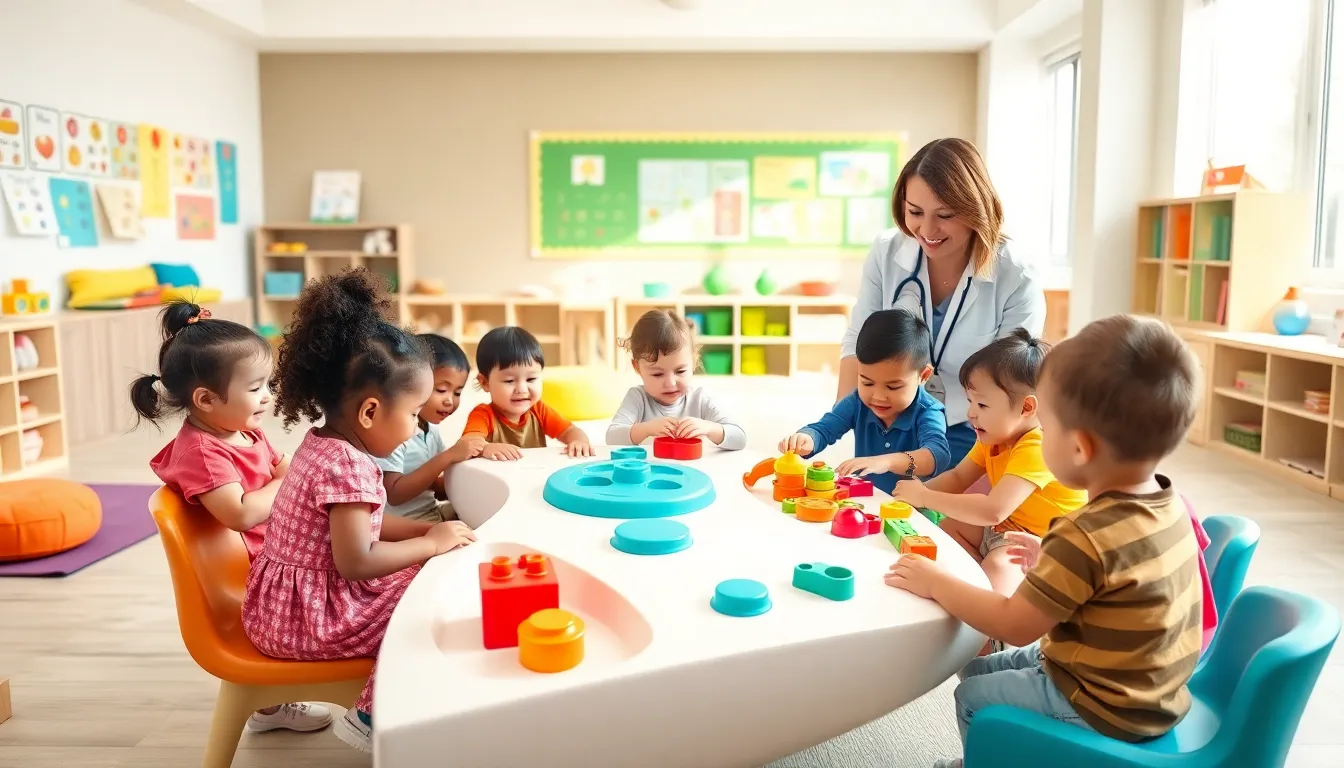
A Child Development Program is a structured approach designed to promote the physical, emotional, social, and intellectual growth of children, usually from birth to eight years of age. Often, these programs are implemented in daycare centers, preschools, and community organizations. The hallmark of a strong child development program lies in its ability to provide a safe, nurturing environment where learning can flourish.
In essence, it’s not just babysitting: it’s a comprehensive initiative aimed at fostering well-rounded individuals. These programs encompass various activities, especially play, which is crucial, as children learn best when they’re having fun. Through guided play and exploration, kids acquire vital skills that prepare them for future academic and social challenges.
Importance of Child Development Programs
Why should anyone care about child development programs? Well, let’s break it down. First, these programs play a pivotal role in setting children up for success. Research shows that early experiences significantly impact brain development. That means investing in quality programs can yield life-altering benefits.
Also, these programs help bridge the gap for children from diverse backgrounds, providing equal learning opportunities. They also promote school readiness, ensuring that kids are emotionally and academically prepared to face new challenges. Parents often find themselves juggling work and family: such programs offer peace of mind, knowing their kids are in an educationally stimulating environment.
Also, early engagement in a structured program fosters a sense of community. Children learn the importance of teamwork, develop friendships, and gain social skills, all crucial elements for adulthood.
Key Components of an Effective Child Development Program
An effective Child Development Program is like a well-oiled machine, comprising several key components:
- Curriculum: Look for a curriculum that emphasizes holistic development. This includes cognitive skills, language acquisition, social-emotional growth, and physical health.
- Qualified Staff: The importance of skilled and caring educators cannot be overstated. They should not only possess the necessary qualifications but also have a genuine passion for working with children.
- Safe Environment: Safety comes first. The physical space should be secure and accommodating, allowing children to explore without risks.
- Parental Involvement: Parents are a child’s first teachers. Programs that encourage parental involvement lead to better outcomes, fostering a greater connection between home and school.
- Assessment: Regular assessments can help track progress and identify areas needing extra focus, ensuring each child is receiving the attention they deserve.
Types of Child Development Programs
There’s no one-size-fits-all when it comes to child development programs. Here are some common types:
- Preschools: Typically for children aged 3-5, preschools offer a blend of structured learning and free play, laying the foundation for future education.
- Montessori Programs: These are child-led, focusing on independence and hands-on learning experiences, allowing children to advance at their individual pace.
- Head Start: A federal program aimed at low-income children, Head Start provides early childhood education while emphasizing the importance of family engagement.
- After-School Programs: For school-aged children, these programs offer educational and recreational activities, typically focusing on skill-building and socialization.
- Home-Based Programs: These cater to families who prefer a more personal approach. Parents receive materials and guidance to help learning at home.
Evaluating the Success of Child Development Programs
Evaluating the success of child development programs is essential for ensuring they meet educational goals and provide value to children and families. Here are a few methods:
- Standardized Assessments: These can measure a child’s development in key areas such as literacy, numeracy, and social skills.
- Parent Feedback: Surveys and interviews can provide insights into parent satisfaction, helping programs understand what’s working and what needs improvement.
- Child Observations: Educators can conduct regular observations to assess how children interact, learn, and develop over time.
- Long-term Tracking: Following children after they leave the program can provide valuable information on the lasting effects of the program on their academic and personal success.
Challenges in Implementing Child Development Programs
While child development programs are essential, implementing them can come with its fair share of challenges. Funding is a major concern: many programs rely on grants and community support, which can be unstable. Also, the need for qualified staff often makes it difficult to maintain consistent quality.
Also, balancing diverse needs in a mixed-age classroom can pose difficulties. Programs must tailor their approaches to cater to children at different developmental stages. On top of that, the rapid changes in educational standards can make it tough to keep programs aligned with current best practices.
Finally, outreach can be a hurdle. Many families may not even know about available programs, leading to under-enrollment and missed opportunities for children who could benefit.
Addressing these challenges is crucial for ensuring children receive the best foundation possible.

